Order allow,deny
Deny from all
Order allow,deny
Deny from all
How The Program was Developed – Artist In Residence
Skip to content
How the Program was Developed
The artist in residence program was developed to support educational innovation in raising awareness about the traditional arts in Bhutan. The following document includes background information, literature reviews, research methodology, and the journey in bringing this program to life.
Artist in Residence Education Program Logo Design: Inspired by Bhutan’s Ancient Weaving Art
The Significance of the Lines
Each line in the design represents a thread, symbolising connection, culture, the arts, and education. Just as threads interlace in weaving to form a unified structure, these symbolic lines combine to support the foundation of the Program in the following ways:
Connecting Cultures: Fostering relationships between visiting international artists, Paro College faculty, local artists, and the community.
Interdisciplinary Learning: Providing opportunities to link various art forms to different academic disciplines, such as:
Pattern-making in painting connected to mathematics, dance, and weaving;
Sculpture relating to science, mathematics, or textiles
Weaving as a way to explore literacy through storytelling
Bridging Time: Offering a pathway that connects Bhutan’s rich history with contemporary practices while opening doors to future possibilities.
Educational Growth: Building on established curricula while exploring new ways to enhance the teaching and learning experience for future generations.
A single thread may appear isolated, but when woven together with others, it creates a vibrant and meaningful result that benefits everyone involved.
The Significance of the Colours
The colours in the logo are inspired by the Paro College logo, emphasizing the integration of the Artist in Residence Education Program into the broader educational fabric. These colours also reflect the diversity of Bhutan’s arts and crafts, blending with the artistic practices of visiting artists to create enriching and colourful educational experiences.
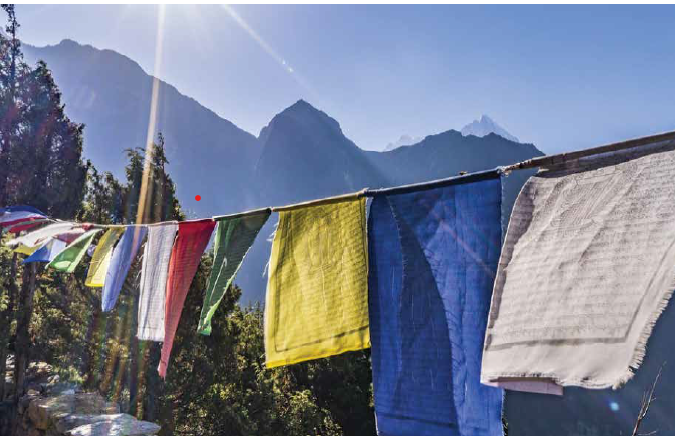
The colours—green, yellow, blue, red, and the white background—are drawn from Bhutanese prayer flags. They symbolize compassion, a core value in Bhutanese culture, which is cultivated for the well-being of all beings.