
Why the visual arts?
The Vital Role of Visual Arts in Education
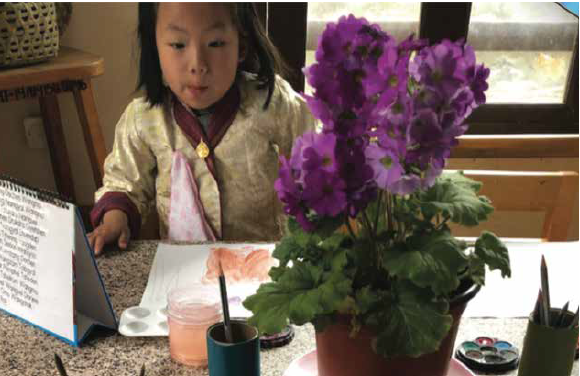
The visual arts play a vital role in the holistic development and education of young children, offering unique opportunities for exploration, innovation, creativity, and expression. Through visual arts, children engage with the world around them, construct knowledge, and make meaning in ways that are deeply personal and authentic. This process fosters critical thinking, problem-solving, and the ability to communicate complex ideas.
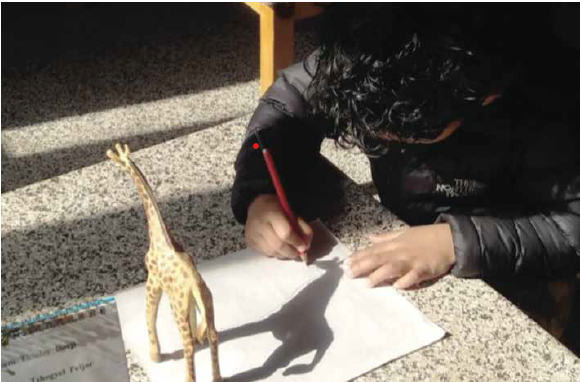
Visual arts enable children to express thoughts and emotions that may not yet be accessible through words or text, making the arts a powerful medium for learning. By representing ideas visually, children connect abstract concepts with tangible forms, enhancing understanding and expanding their capacity for innovation. Drawing in particular supports memory because it requires the person to process information in multiple ways: visually, kinaesthetically, and semantically. Drawing supports the development of fine motor skills, spatial awareness, and visual literacy, all of which are foundational for academic and life success.
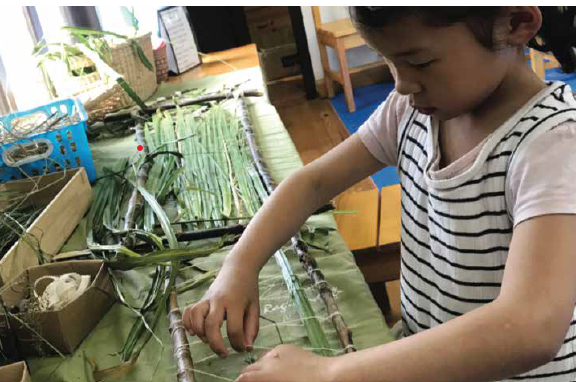
The visual arts hold profound cultural value, offering children a gateway to understanding their own heritage and that of others. Through creating and engaging with art, children explore cultural traditions, symbols, and narratives, developing a sense of identity and belonging. Artistic practices serve as a bridge between generations, preserving cultural knowledge while also allowing children to reinterpret and innovate within those traditions. This exposure fosters respect for diversity, empathy, and a deeper understanding of the interconnectedness of human experience.
In child-centered learning environments, visual arts encourage collaboration, inquiry, and dialogue. Children are empowered to explore materials, test ideas, and express their individuality, making art a dynamic and integral part of their education. Engaging in creative work builds confidence, resilience, and self-efficacy as children see their ideas take shape and gain recognition.
The inclusion of an artist-in-residence enriches this experience by bringing the practices and perspectives of a professional artist into the learning environment. Artists offer children the opportunity to learn new techniques, explore diverse materials, and engage in authentic creative processes. Their presence inspires curiosity and provides mentorship, showing children how creativity unfolds in real life. By working alongside an artist, children see themselves as creators, fostering a sense of agency and pride in their abilities.
The visual arts fosters a sense of community and shared understanding. Collaborative projects and artistic expressions bring children together, helping them navigate diverse perspectives and build empathy. Visual arts are not an ancillary activity but a core component of a meaningful education, preparing children to thrive in a world that values creativity, innovation, and cultural connection.